




How to Take Care of a Newborn’s Hair: The Ultimate Gentle Guide for New Parents

Welcoming a newborn into your family is one of life’s greatest joys—and with it comes a host of new questions and experiences. Among these is caring for your baby’s delicate hair and scalp. Newborn hair can vary widely: some babies arrive with a full head of soft locks, others with very little hair at all. Regardless of the amount, caring for your newborn’s hair properly is essential to keep their scalp healthy and support natural hair growth.
This guide covers everything new parents need to know about newborn hair care—from washing and brushing to dealing with common conditions like cradle cap. Let’s dive into how you can nurture those tiny strands with love and care.
1. Understand Your Newborn’s Hair
Before starting any hair care routine, it’s helpful to understand that newborn hair is very different from adult hair. It tends to be much finer, more delicate, and the scalp’s skin is thinner and more sensitive. It’s also normal for babies to shed much of their initial hair in the first few months—this is called telogen effluvium, and it makes way for new hair to grow.
Every baby’s hair growth pattern is unique. Some may keep their hair from birth, others may lose it all before it grows back thicker and stronger. Patience and gentle care are key.
2. Washing: How Often and How to Do It
Newborns do not need daily hair washing. Over-washing can strip the scalp of natural oils, leading to dryness and irritation. Aim to wash your baby’s hair 2 to 3 times per week using a gentle, tear-free baby shampoo formulated for sensitive skin.
Use lukewarm water and softly massage the scalp with your fingertips—avoid nails or harsh scrubbing. Make sure to rinse thoroughly to prevent shampoo residue, which can cause itchiness or flaking.
Between washes, you can gently wipe the scalp with a damp, warm cloth to keep it clean.
3. Brushing and Combing
Use a soft-bristled baby brush or a wide-tooth comb to detangle and care for your baby’s hair. Brushing helps remove loose hairs and can stimulate the scalp, potentially improving circulation and encouraging hair growth.
Always brush in the direction of hair growth. Be gentle, especially if your baby has very fine or patchy hair, to avoid causing discomfort or damage.
4. Dealing With Cradle Cap
Cradle cap is a common condition affecting many newborns. It appears as yellowish, crusty, or flaky patches on the scalp. Although harmless, it can look concerning to new parents.
To manage cradle cap, gently apply a small amount of organic coconut oil or baby oil to the affected area. Let it sit for 15-20 minutes to soften the flakes, then carefully brush the scalp with a soft baby brush to loosen the scales. Follow with a gentle shampoo wash to remove oil residue.
If cradle cap persists or worsens, consult your pediatrician.
5. Avoiding Harmful Practices
-
No Shaving: Shaving your baby’s head does not make hair grow thicker or faster. Hair growth is genetic and depends on overall health. Shaving can even slow hair growth or cause irritation. Let your baby’s hair grow naturally.
-
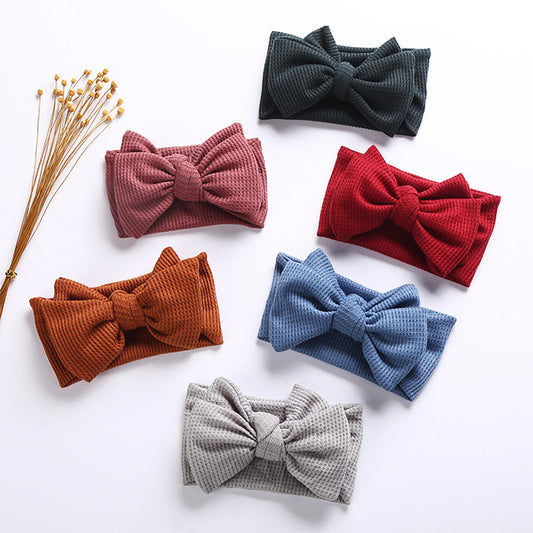
Skip Tight Hairstyles: Avoid tight ponytails, braids, or headbands, which can pull on delicate hair follicles, potentially causing traction alopecia (hair loss). Choose soft, loose styles to protect your baby’s scalp.
6. Nutrition and Hair Health
If your baby has started solids, ensure their diet is rich in nutrients essential for healthy hair, including vitamins A, C, D, E, and minerals like iron and zinc. These nutrients support hair follicle health and skin integrity.
For exclusively breastfed babies, rest assured that breast milk provides a balanced mix of nutrients important for overall development, including hair growth.
7. Patience and Love Are the Best Care
Hair growth takes time. Newborn hair shedding is normal and should not cause alarm. The new hair often grows in finer and stronger than before. Celebrate every little change and be patient with your baby’s unique hair journey.
Most importantly, remember that loving attention, gentle touch, and consistent care are what truly support your baby’s healthy scalp and hair growth.
When to See a Doctor
If you notice severe redness, swelling, excessive dryness, bleeding, or persistent scalp infections, consult your pediatrician or a dermatologist. Also, if hair loss is patchy or accompanied by other symptoms, professional advice can help rule out underlying conditions.
Suggested Gentle Hair Products for Newborns
To help you care for your baby’s delicate hair, here are some gentle, well-reviewed products specially formulated for newborns:
-
Baby Shampoo & Body Wash:
Aveeno Baby Wash & Shampoo — Tear-free, hypoallergenic, and made with natural oat extract to soothe sensitive skin.
Mustela Gentle Shampoo — Specifically designed for newborn scalps, with gentle cleansing agents and botanical ingredients. -
Soft Baby Brush:
Safety 1st Easy Grip Brush and Comb Set — Soft bristles perfect for newborns, easy for parents to handle.
Fridababy DermaFrida — Gentle silicone bristles to soothe scalp and remove cradle cap flakes. -
Cradle Cap Treatment:
Organic Virgin Coconut Oil — Natural, safe oil to soften cradle cap flakes and moisturize the scalp.
Mustela Foam Shampoo for Newborns — Helps remove cradle cap gently without drying the scalp. -
Moisturizers:
Aquaphor Baby Healing Ointment — Great for dry patches and protecting sensitive scalp skin.
Burt’s Bees Baby Nourishing Lotion — Gentle and natural lotion for moisturizing.
To Remember
Taking care of a newborn’s hair is a tender process that blends gentle routines, patience, and the right products. By keeping your baby’s scalp clean, avoiding harsh treatments, and choosing carefully formulated products, you’re giving your little one the best foundation for healthy hair growth.
Remember, every baby is unique, and your loving care is the most important part of their journey. If you ever have questions or concerns, don’t hesitate to reach out to your pediatrician.